Contact Info
+208-555-0112
bixoo@gmail.com
Elgin St. Celina, NY 10299

What is plasma and why is it so vital?
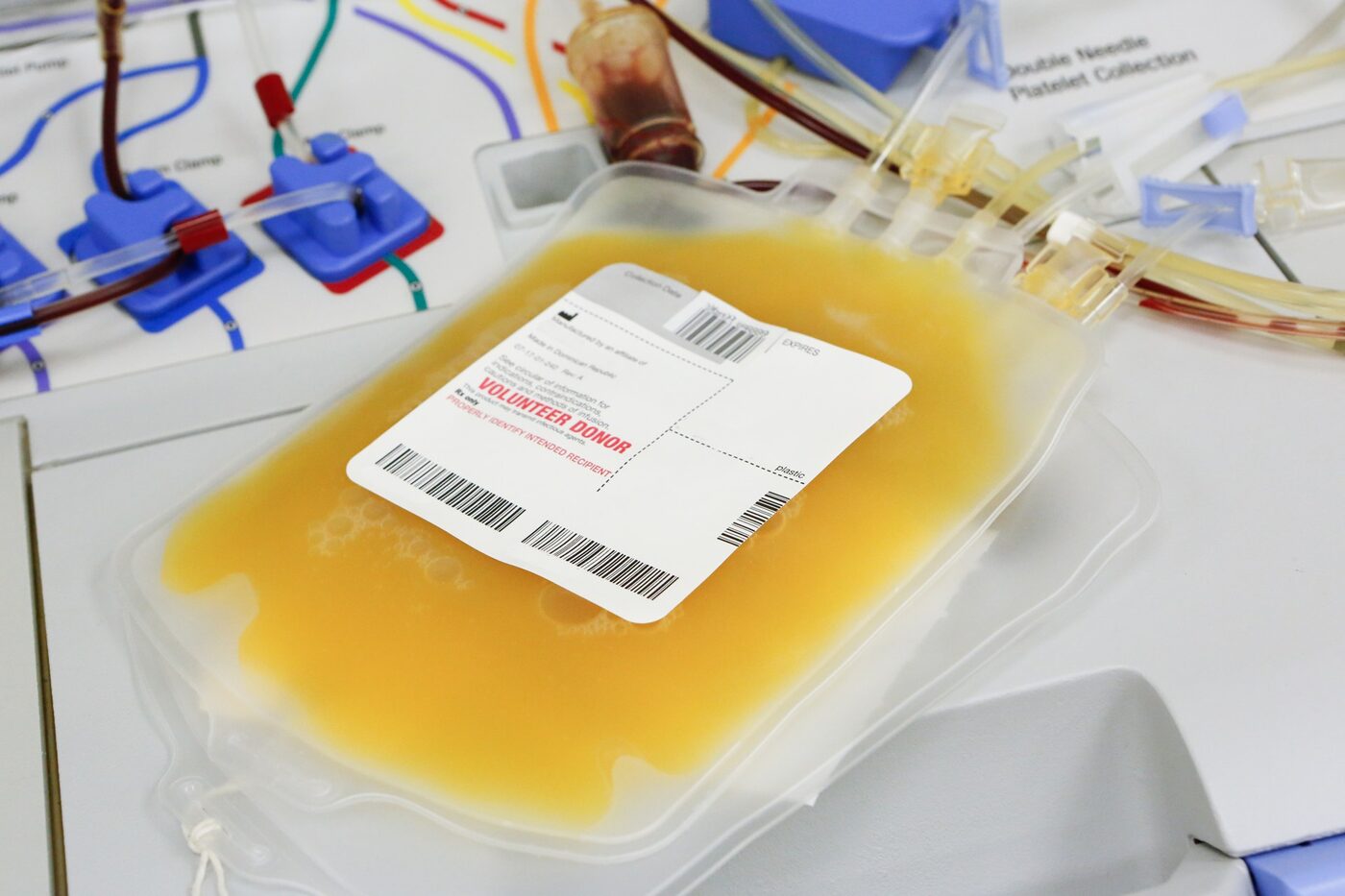
Plasma is the liquid, golden part of blood — home to blood cells and carrier of the body's vital substances. In this article you will get to know it simply and completely.
What exactly is plasma?
Plasma is the light, liquid part of blood, making up about 55% of total blood volume . This amber-colored liquid carries red cells, white cells and platelets floating within it — like a sea on which ships sail.
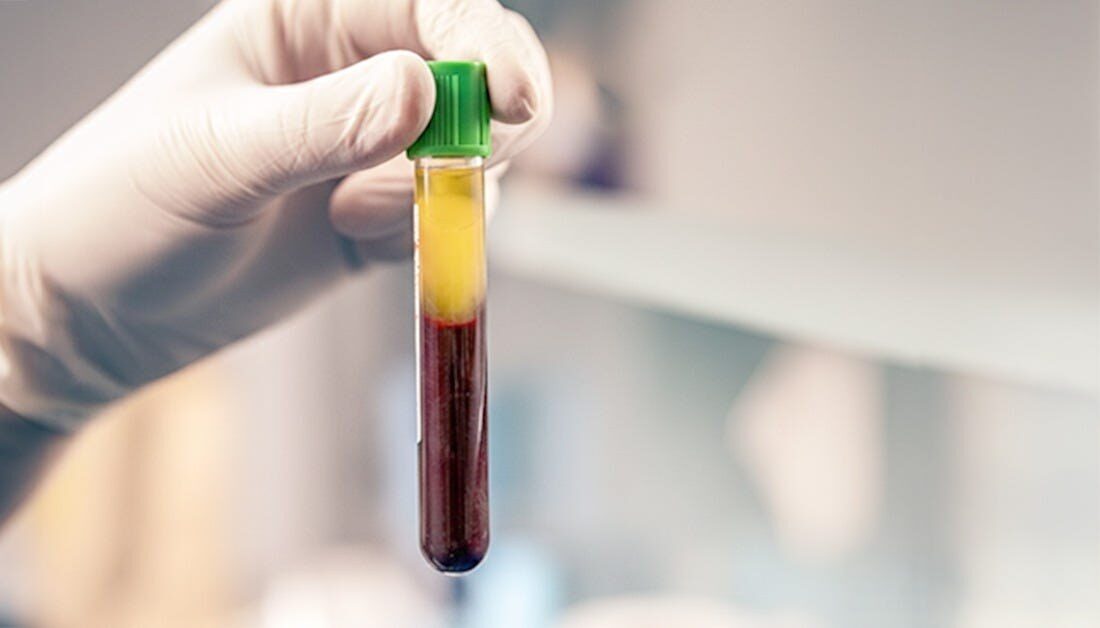
If you pour blood into a test tube and let it settle, or spin it in a centrifuge , blood separates into two parts: the heavy cells (mostly red blood cells) settle at the bottom and the yellow liquid above them is the plasma.
What is plasma made of?
Although plasma looks like a simple liquid, its composition is highly complex:
Water
Most of plasma is water; the carrier that moves everything around the body.
Proteins
Albumin, antibodies (immunoglobulins) and clotting proteins such as fibrinogen.
Other components
Electrolytes, hormones, vitamins, nutrients and waste compounds such as urea.
What does plasma do in the body?
Plasma is not just a carrier fluid; it performs four vital tasks:
Carrying nutrients and energy
Delivers nutrients from food, hormones and dissolved oxygen to every cell of the body.
Removing waste
Collects metabolic waste from cells and carries it to the kidneys and liver for disposal.
Immune system
Carries antibodies and complement proteins — the body's defensive shield against microbes.
Blood clotting
Holds clotting proteins so bleeding stops when injury occurs.
What products are made from plasma?
Donated plasma is turned into several vital products in blood-processing laboratories, each treating specific diseases:
The most important plasma products
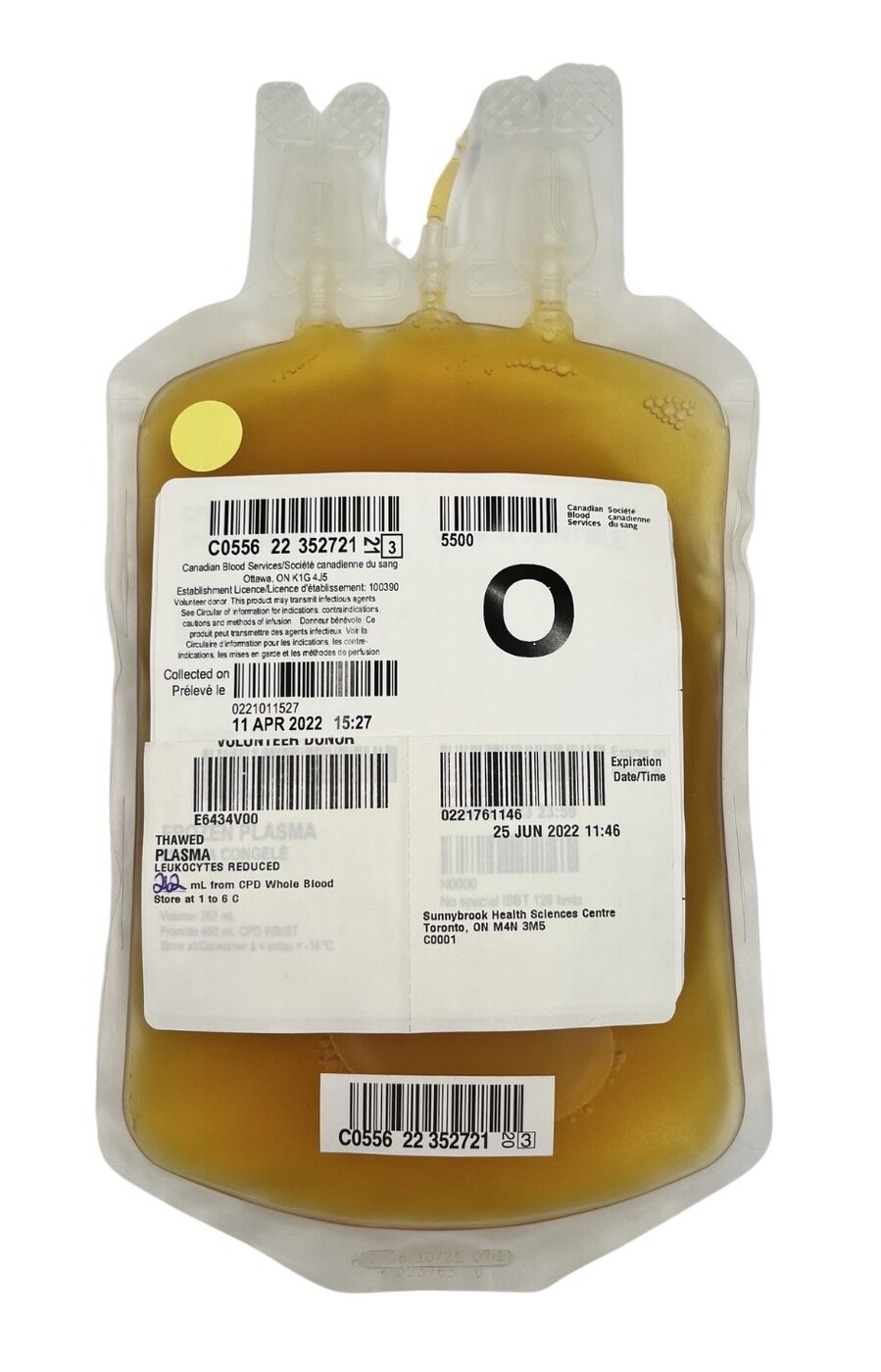
- Fresh frozen plasma (FFP): For rapid replacement of clotting factors in severe bleeding, extensive burns and liver transplant.
- Albumin: Restoring blood volume in shock and treating protein deficiency in liver diseases.
- Immunoglobulin (IVIG): Boosting immunity in patients with immune deficiencies and some autoimmune diseases.
- Concentrated clotting factors: Treating hemophilia patients lacking factor 8 or 9.
- Convalescent plasma: Antibodies from people recovered from certain viral infections, used to help affected patients.
How is plasma donated?
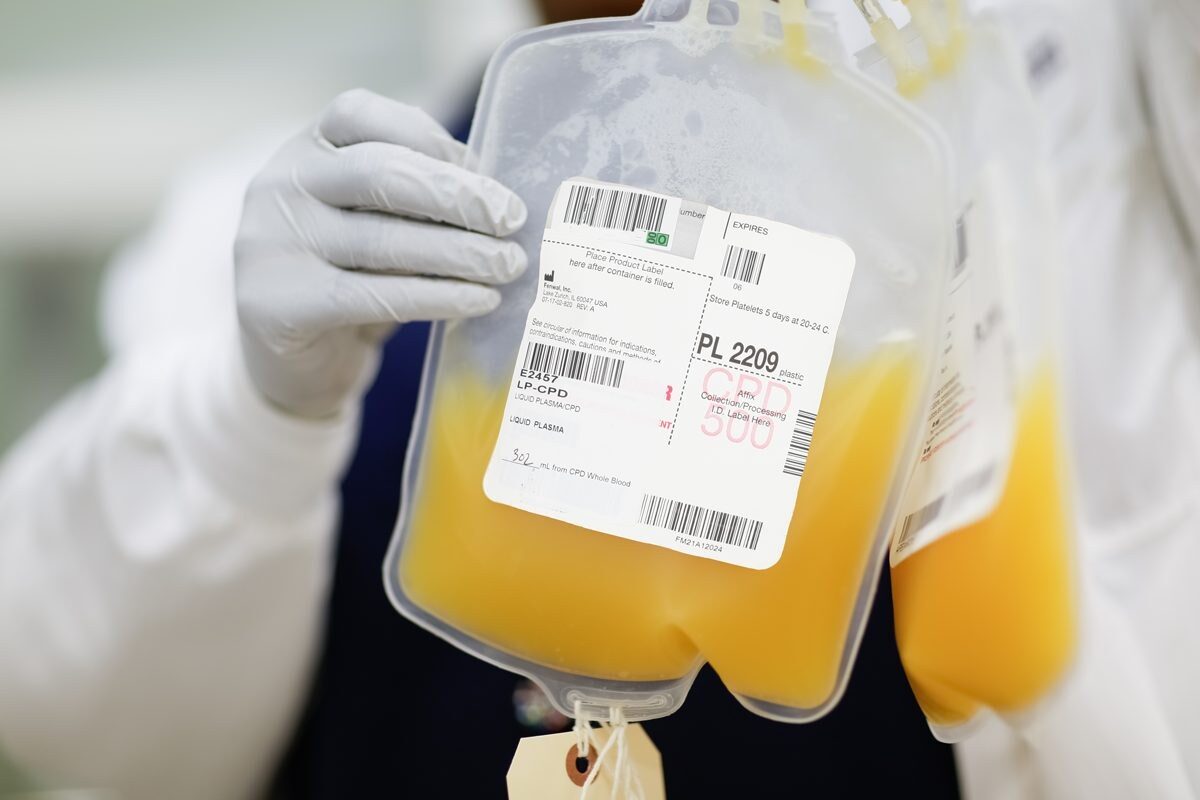
In plasma donation, known as plasmapheresis , the donor's blood enters a machine; plasma is separated and blood cells are returned to the donor's body. That is why the body recovers faster than from whole-blood donation.
Key donation facts
- Minimum weight & age50 kg, 18 years
- Interval between donationsAbout 1 week
- Process duration45 to 60 minutes
- Best blood typeAB
Interestingly, people with blood type AB are the universal plasma donors; their plasma can be given to all blood types — the reverse of red cells, where type O negative is universal.
Frequently asked questions
Is plasma donation harmful?
No. The body quickly replaces lost water and proteins, and since blood cells are returned, anemia does not occur. Blood transfusion centers run the necessary tests before donation.
What is the difference between plasma and serum?
Plasma keeps its clotting factors; serum is plasma from which fibrinogen and clotting factors have been removed — like the yellow liquid seen after blood clots in a lab.
How does human plasma differ from PRP?
Regular plasma is separated from whole blood, while in PRP (platelet-rich plasma) the plasma is drawn off together with concentrated platelets and used to speed tissue repair in cosmetic and orthopedic treatments.
Why is plasma yellow?
The amber color comes from pigments such as bilirubin and liver enzymes. A sharp color change (dark or green) can indicate chemical changes and the bag is discarded.
Summary
Plasma — the yellow liquid making up about 55% of blood — is the invisible pillar of life: it delivers food and hormones, removes waste, grants immunity and stops bleeding. Every donated plasma bag can save the lives of burn, hemophilia and immune-deficiency patients — which is why plasma is also called liquid gold.
This content is for general information and is not a substitute for medical advice. For treatment decisions consult a physician or blood transfusion centers.